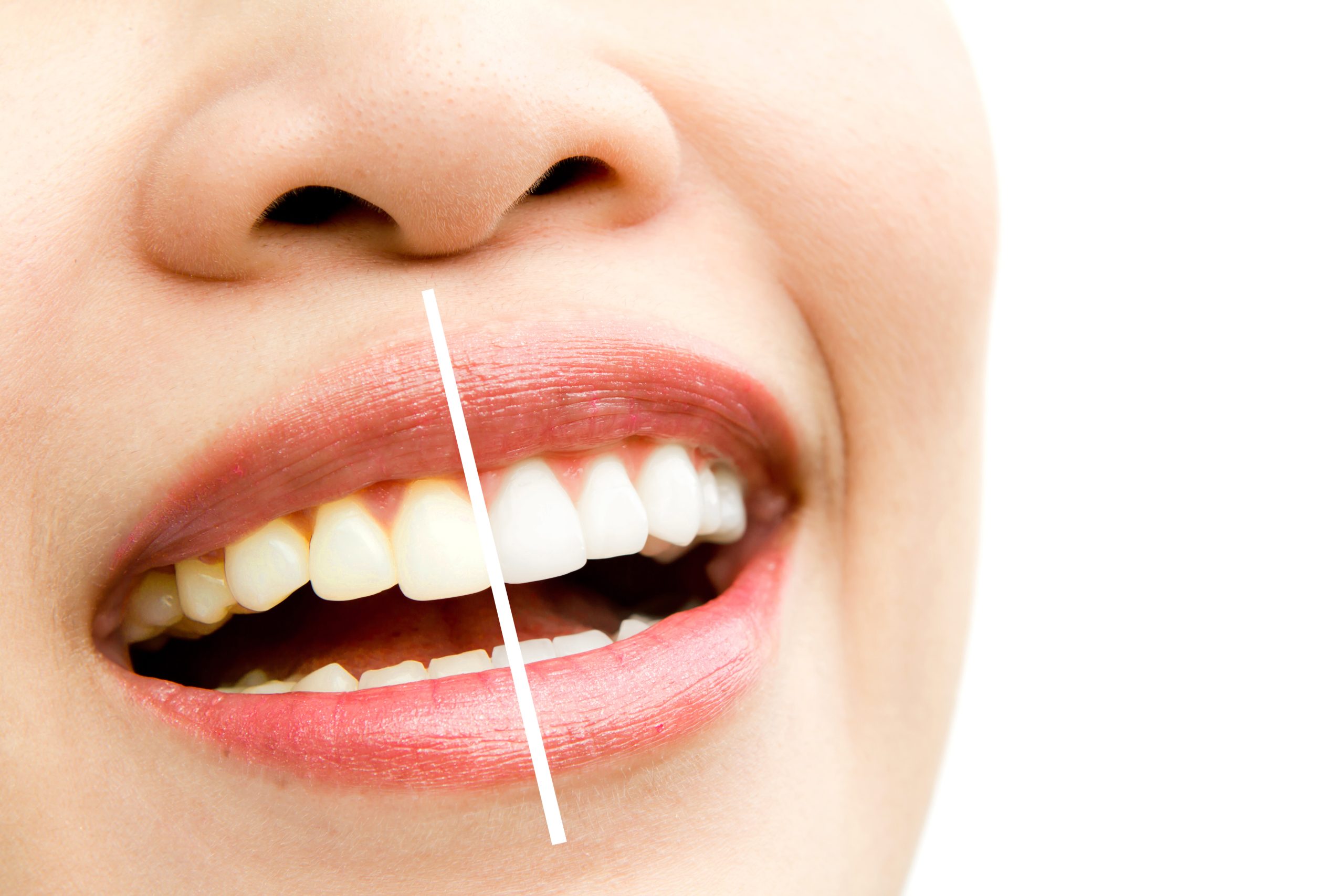

Small chips, uneven teeth, and gaps can affect the appearance of your smile. A dentist in Vienna can examine your teeth and help you understand which treatments may be suitable. Dental bonding is one option for repairing minor imperfections while keeping most of your natural tooth structure intact.
If you have chipped teeth, small gaps, or uneven edges, dental bonding in Vienna may help restore their shape and improve the overall appearance of your smile.
What Is Dental Bonding?
Dental bonding uses a tooth-coloured composite resin to repair chips, close small gaps, and reshape uneven teeth. The dentist carefully shapes the material to blend with your natural teeth, helping create a more balanced smile.
Before treatment, an evaluation at a dental office near you can help determine whether bonding is suitable for your needs. Your dentist will assess the condition of your teeth, the size of any imperfections, and your bite before recommending treatment. Bonding is often completed in one appointment, although the approach depends on the repair required.
5 Signs You May Need Dental Bonding
Certain changes to your teeth may indicate that dental bonding could be worth considering.
1. You Have Chipped Teeth
Teeth can chip when you bite something hard, experience an accident, or wear down over time. Even a small chip can leave a rough edge or make a tooth look uneven.
Dental bonding can repair some chipped teeth by filling the damaged area with composite resin. Larger cracks or more serious damage may need a different treatment. A dental examination can help determine the best option.
2. You Have Small Gaps Between Your Teeth
Small gaps can affect the appearance of your smile. If the spaces are minor, dental bonding may help close them by adding resin to the sides of your teeth.
The dentist shapes the resin to create a natural look. Larger gaps or spaces caused by alignment problems may need orthodontic treatment instead. The right option depends on your teeth and bite.
3. Your Teeth Have Uneven Shapes or Edges
Some patients naturally have uneven teeth, while others develop uneven edges as their teeth wear down. You may notice that one tooth looks shorter or has a different shape from the surrounding teeth.
Dental bonding can help reshape certain teeth and create a more even appearance. Your dentist will check your tooth structure and bite before recommending treatment.
4. You Have Severe Tooth Discolouration
Some stains remain even after brushing and professional cleaning. Discolouration within a tooth may also be difficult to treat with whitening products.
In some cases, dental bonding can cover a small discoloured area with composite resin.
However, it may not be the best choice for widespread staining. Your dentist can explain whether bonding or another cosmetic treatment would suit your needs.
5. You Have Minor Imperfections in Visible Teeth
Small pits, worn areas, and uneven surfaces can make your front teeth look irregular. If these imperfections are minor, dental bonding may help improve the shape and appearance of the affected teeth.
The resin is matched to your natural tooth colour and shaped to blend with the surrounding teeth. The final result depends on the tooth’s condition and the location of the repair.
How Long Does Dental Bonding Last?
Dental bonding can last several years, but its lifespan varies. The resin may chip, stain, or wear down over time, especially when exposed to repeated pressure.
You can help maintain your results by brushing twice a day, flossing daily, and attending regular dental checkups. Avoid chewing ice, biting your nails, or using your teeth to open packages. If you grind your teeth, ask your dentist whether a night guard may help protect them.
Is Dental Bonding Right for You?
Dental bonding can improve minor cosmetic concerns, but it is not suitable for every situation. The size of the damaged area, your bite, and the overall condition of your teeth all affect the treatment choice.
If you are considering dental bonding near you, book a dental assessment to discuss your concerns. Your dentist can explain the benefits, limitations, care requirements, and other options available.
Book Your Dental Consultation
If you want to improve chipped, uneven, or discoloured teeth, Tebay & Associates can help you explore suitable treatment options. Contact Tebay & Associates to book your consultation and discuss your smile goals.
Frequently Asked Questions
1. Does dental bonding hurt?
Dental bonding is usually comfortable and often does not require anaesthesia. Your dentist may use local anaesthesia if the treatment involves a sensitive area.
2. Can dental bonding close large gaps between teeth?
Bonding may work for small gaps. Larger spaces may require orthodontic treatment or another option to achieve the desired result.
3. Can I whiten my teeth after dental bonding?
Whitening products do not change the colour of composite resin. If you are planning to whiten your teeth, discuss it with your dentist before bonding so the resin can be matched to your preferred tooth shade.
4. Can I eat after dental bonding?
You can usually eat soon after treatment because the resin is hardened during the procedure. Follow your dentist’s instructions and avoid biting hard objects that could damage the bonded teeth.