
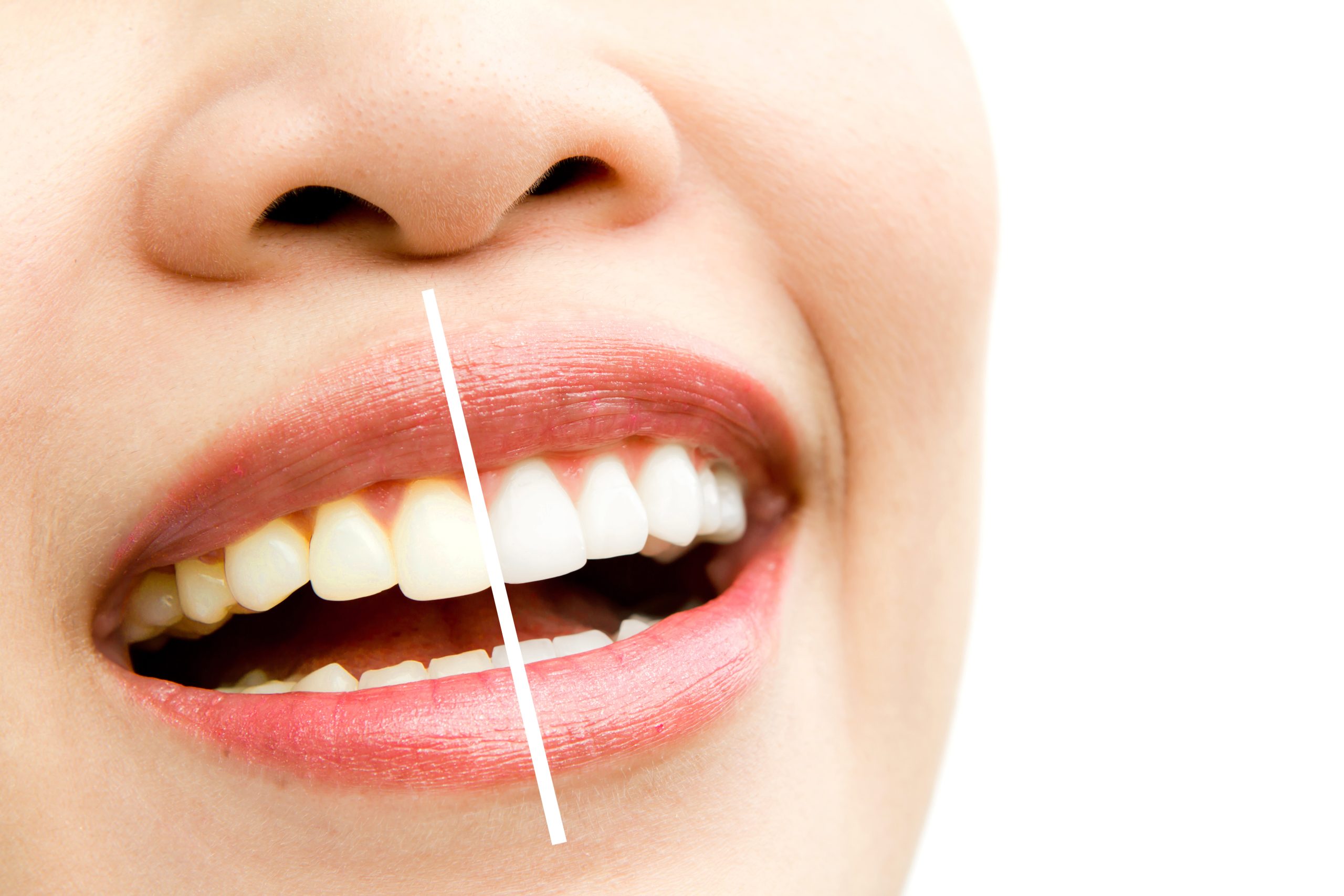
Professional teeth whitening can make natural teeth look brighter by reducing certain types of stains and discolouration. Teeth whitening in Vienna may be considered when teeth have darkened from coffee, tea, tobacco, certain foods, or normal age-related changes. The results can vary depending on the type of staining and the natural colour of the teeth. A dentist can assess the teeth and gums before whitening to determine whether treatment is suitable. Professional whitening may provide more controlled treatment than some over-the-counter options, but it does not permanently change the natural colour of teeth or whiten dental restorations such as crowns and fillings.
What Can Professional Teeth Whitening Improve?
Professional whitening mainly targets stains that respond to bleaching. It can help make the natural teeth appear lighter and reduce the appearance of certain surface and deeper stains.
The extent of change depends on the starting shade, the type of discolouration, and the whitening method used. Some stains may respond better than others.
Which Stains Can Whitening Help Remove?
Certain everyday habits can contribute to tooth staining. Professional whitening may help reduce discolouration linked to:
- Coffee and tea
- Red wine
- Tobacco use
- Dark-coloured foods and drinks
- Natural ageing
- Certain types of surface staining
Teeth whitening near you may be worth discussing when these types of stains have made the smile look darker than desired.
Does Whitening Change the Natural Colour of Teeth?
Whitening can make natural teeth appear lighter, but it does not make every smile reach the same shade. Natural tooth colour varies between people, and some discolouration may be harder to treat.
Deep stains caused by certain medications, tooth injury, or changes within the tooth may respond less to standard whitening. An assessment can help determine what type of discolouration is present.
What Happens During Professional Whitening?
The exact process depends on the whitening system being used. Before treatment, the teeth and gums may be checked to identify problems that should be addressed first.
A professional whitening treatment may involve applying a whitening product to the teeth for a set amount of time. The treatment is carried out according to the product instructions and the individual treatment plan.
Can Professional Whitening Make Teeth Sensitive?
Temporary tooth sensitivity can occur after whitening. Some people may notice sensitivity to cold foods or drinks for a short time after treatment.
Gum irritation may also occur if whitening products come into contact with the gums. Following the recommended treatment instructions can help reduce the chance of unnecessary irritation.
If significant or lasting sensitivity develops, further whitening should be discussed with a dental professional.
What Does Professional Whitening Not Change?
Whitening works on natural tooth structure. It does not whiten dental restorations in the same way.
Crowns, veneers, fillings, and other tooth-coloured restorations generally keep their existing shade. This means whitening before restorative treatment may sometimes be discussed so the restoration can be planned to match the desired tooth shade.
How Long Can Whitening Results Last?
Whitening results are not permanent. New stains can develop over time, especially with regular exposure to strongly coloured foods, drinks, or tobacco.
Good oral hygiene and limiting stain-causing habits may help maintain a brighter appearance. The timing of any future whitening treatment should depend on the condition of the teeth and the advice provided after the initial treatment.
When Should Teeth Be Checked Before Whitening?
A dentist in Vienna can check for cavities, cracked teeth, gum problems, or other concerns before whitening. Treating these problems first may be important, as whitening can cause more discomfort when teeth or gums are already sensitive.
An assessment can also help determine whether whitening is likely to improve the type of discolouration present.
Give Your Smile a Brighter Look!
Professional whitening can reduce certain stains and make natural teeth appear lighter, but the results depend on the type of discolouration and the condition of the teeth. A proper assessment can help set realistic expectations and identify the most suitable approach.
Contact Tebay & Associates to discuss your smile goals, learn what whitening treatment may be suitable, and book your appointment.
FAQs
Is professional whitening better than whitening toothpaste?
They serve different purposes. Whitening toothpaste mainly helps remove some surface stains, while professional whitening uses bleaching ingredients to lighten the natural tooth colour.
Can teeth whitening damage enamel?
When used as directed, professional whitening is generally considered safe for teeth. Overuse or incorrect use can increase the risk of sensitivity or gum irritation.
Can whitening be done if there are fillings or crowns?
Whitening is usually not recommended when restorations are present, as fillings and crowns will not lighten like natural teeth. Their colour may need to be taken into account when planning treatment.
How can a brighter smile be maintained after whitening?
Regular brushing, cleaning between the teeth, drinking water, and limiting foods and drinks that commonly stain teeth can help maintain the result. Follow-up whitening should only be done as recommended.