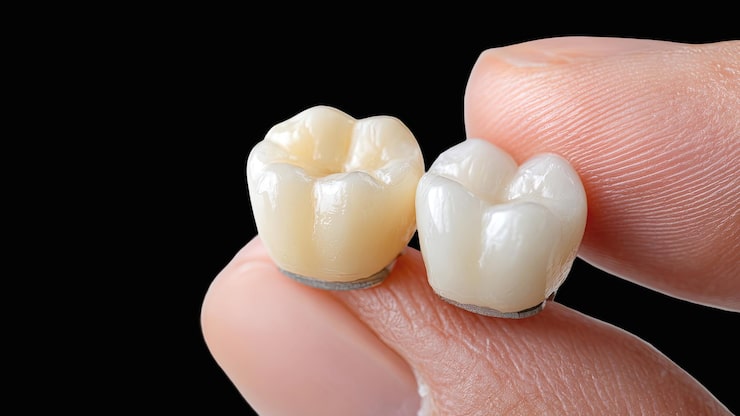
A dental crown is a custom-made cap that covers a damaged or weakened tooth. It helps protect the tooth, restore its natural shape, and make chewing easier. A dentist may suggest a crown if a tooth has a large cavity, a crack, or damage after root canal treatment. Unlike a filling, which repairs only a small part of the tooth, a crown covers most or all of the part that shows above the gums. Getting dental crowns in Vienna may help save a natural tooth and prevent the need for more serious treatment. The best choice depends on how much of the healthy tooth is left, where the damage is, and how much pressure the tooth gets when you bite.
Why Might a Tooth Need a Dental Crown?
A tooth can become weak for several reasons. When too much of its structure is damaged, a regular filling may not provide enough support.
A dentist may recommend a crown for:
- Large cavities: When decay removes a large amount of tooth structure, a crown can cover and protect the remaining tooth.
- Cracked teeth: A crown may help hold the remaining parts together and reduce the risk of further damage.
- After root canal treatment, some teeth, especially back teeth, may need a crown to protect them from breaking while chewing.
- Worn-down teeth: Severe wear from grinding or other causes may change the tooth’s shape and strength.
- Large or failing fillings: A tooth with a very large filling may need added support if little natural tooth structure remains.
A crown is not needed for every damaged tooth. Smaller areas of decay or damage may be treated with a filling or another repair.
How Does a Dental Crown Protect a Weak Tooth?
A crown covers the visible part of a tooth and helps it handle normal biting and chewing pressure. It also restores the tooth’s shape, which can make it easier to chew and help the upper and lower teeth meet properly.
Here is how a crown may help:
- Covers weak areas that could break during chewing.
- Helps hold the remaining tooth structure together.
- Restores the tooth’s shape and size.
- Protects the tooth from further wear.
- Helps maintain normal chewing function.
For a tooth with extensive damage, dental crowns near you may be considered to help keep the natural tooth in place. However, a crown cannot guarantee that a tooth will never crack or develop further problems.
What Happens During the Dental Crown Process?
Getting a dental crown usually takes more than one visit. However, some dental clinics can make and place a crown on the same day.
The process usually includes these steps:
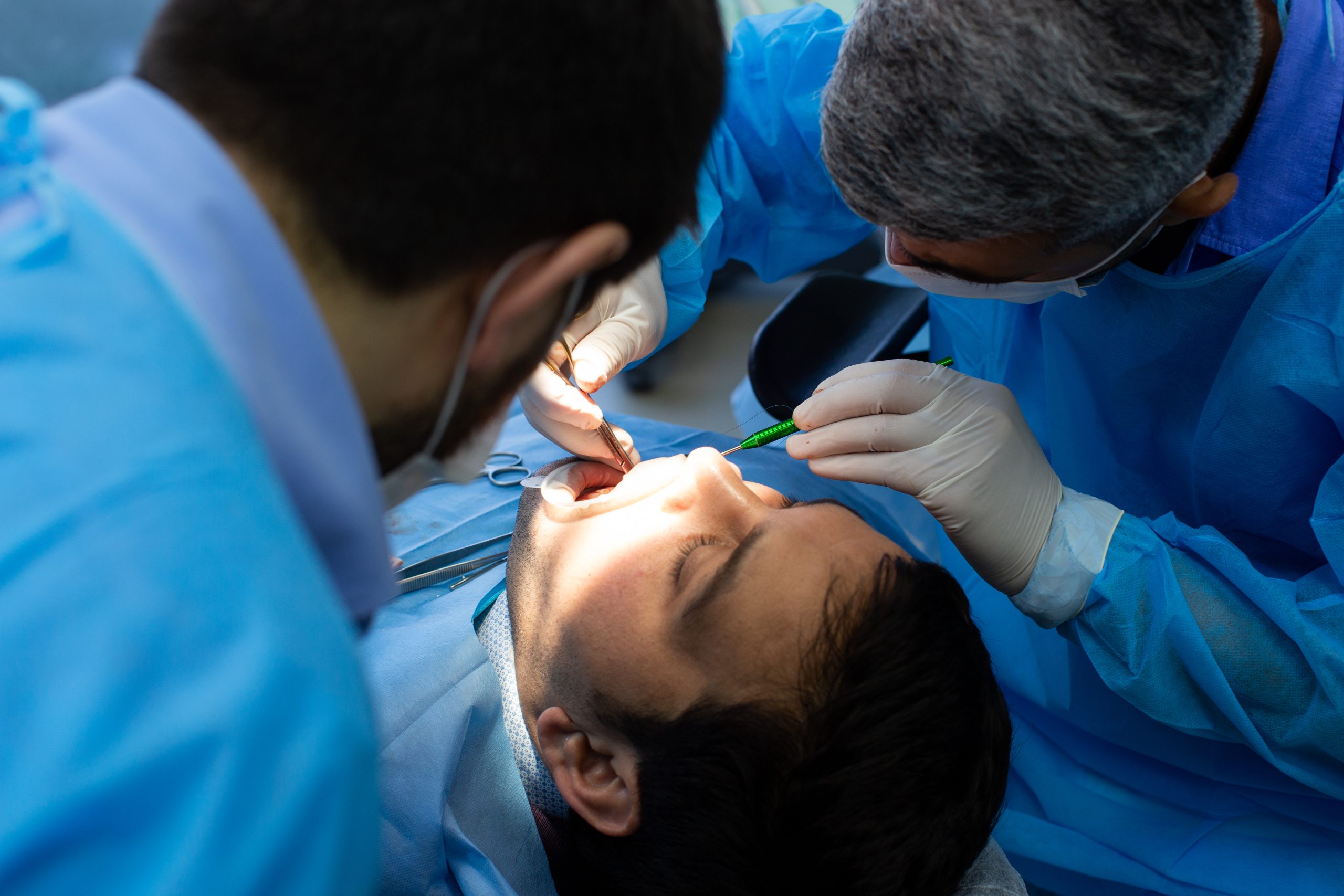
- Examination: The dentist checks the tooth and may take X-rays to see how much damage there is and check the area around the tooth.
- Tooth preparation: Decay is removed, and the tooth is shaped to make room for the crown. If the tooth needs more support, a core filling may be used to build it up.
- Impressions or digital scans: Measurements are taken to help create a crown that fits the tooth and bite.
- Temporary crown: A temporary cover may be placed while the final crown is being made.
- Final placement: The permanent crown is checked for fit and bite, then secured to the tooth.
A dentist in Vienna can explain each step and discuss what to expect based on the tooth’s condition.
What Types of Dental Crowns Are Available?
Crowns are made from different materials. The choice depends on the tooth’s location, appearance, strength needs, and personal preferences.
Common options include:
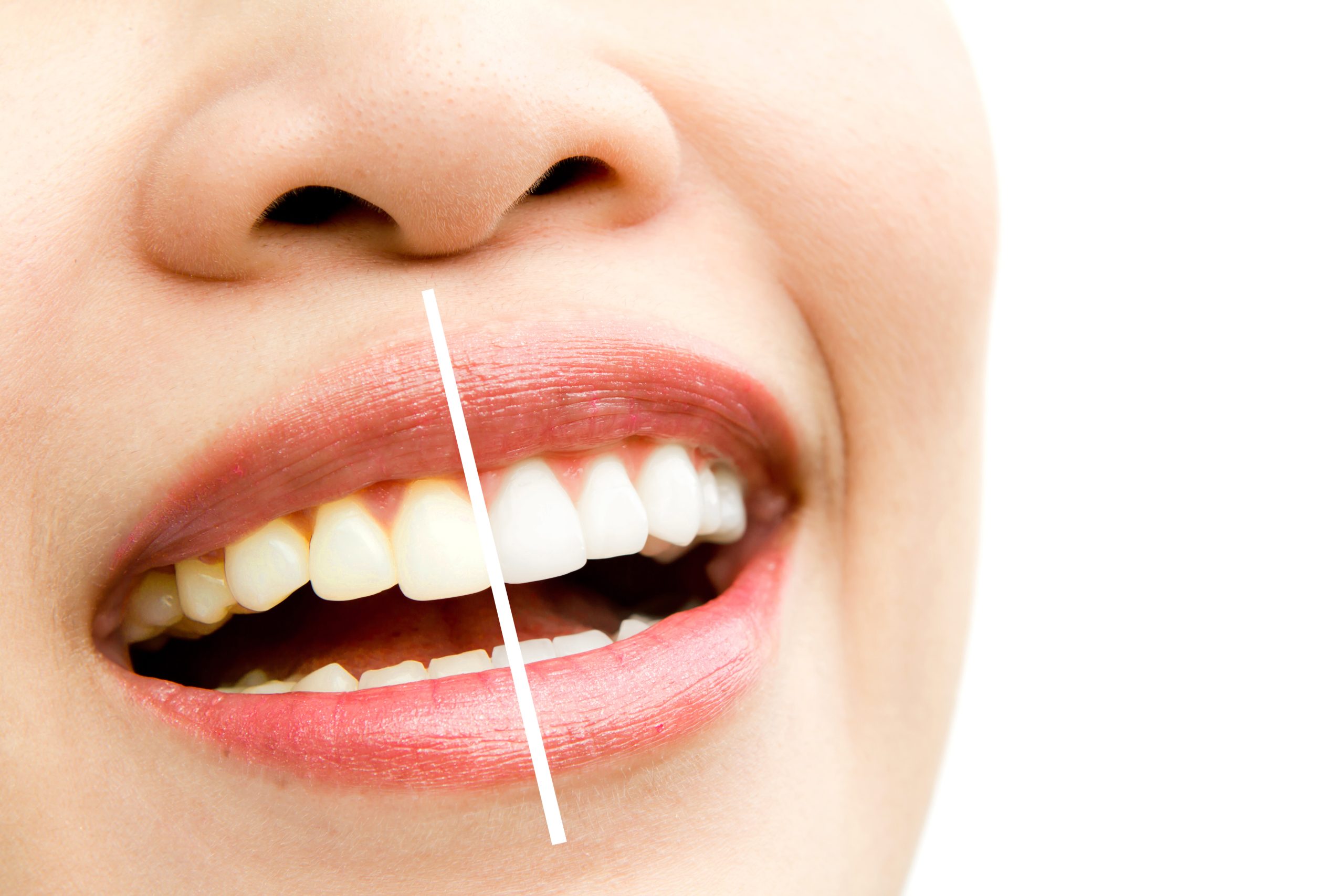
- All-ceramic or porcelain crowns: These can match the colour of natural teeth and are often used for visible teeth.
- Zirconia crowns: Made from a strong ceramic material, these may be suitable for front or back teeth, depending on the case.
- Porcelain-fused-to-metal crowns: These combine a metal base with a tooth-coloured outer layer.
- Metal crowns: These are strong and can work well for back teeth, but their metallic colour is visible.
A dental office near you can review the benefits and limits of each material before treatment.
How Can You Care for a Dental Crown?
A crown needs the same daily care as natural teeth. Although the crown itself cannot develop a cavity, the natural tooth underneath and around its edges can still decay.
To care for a crown:
- Brush twice daily with fluoride toothpaste.
- Clean between your teeth every day.
- Avoid chewing ice or very hard objects.
- Wear a nightguard if one is recommended for teeth grinding.
- Attend regular dental checkups.
Contact a dentist if the crown feels loose, cracks, or causes pain when biting.
Protect and Restore Your Natural Tooth!
A weakened tooth may need extra support to remain comfortable and useful. Contact Tebay & Associates to arrange an examination and discuss whether a dental crown is suitable for your needs. An assessment can help explain the condition of your tooth, the available materials, and the treatment options that may help protect your natural smile.
FAQs
How long do dental crowns usually last?
Dental crowns can last for many years. How long they last depends on the material, how well they fit, how you care for your teeth, and your eating habits. Regular dental checkups can help your dentist find any damage or wear early.
Does getting a dental crown hurt?
The tooth is usually numbed during preparation, so significant pain is not expected during the treatment. Some sensitivity or mild soreness may occur afterward.
Can a crown save a badly damaged tooth?
A crown may help protect a tooth when enough healthy structure remains to support it. If the damage extends too far below the gumline or the tooth has a serious infection, other treatment or extraction may be needed.
Can a crowned tooth still get a cavity?
Yes. The crown cannot decay, but the natural tooth around its edges can. Brushing, flossing, and regular dental visits help protect these areas.