
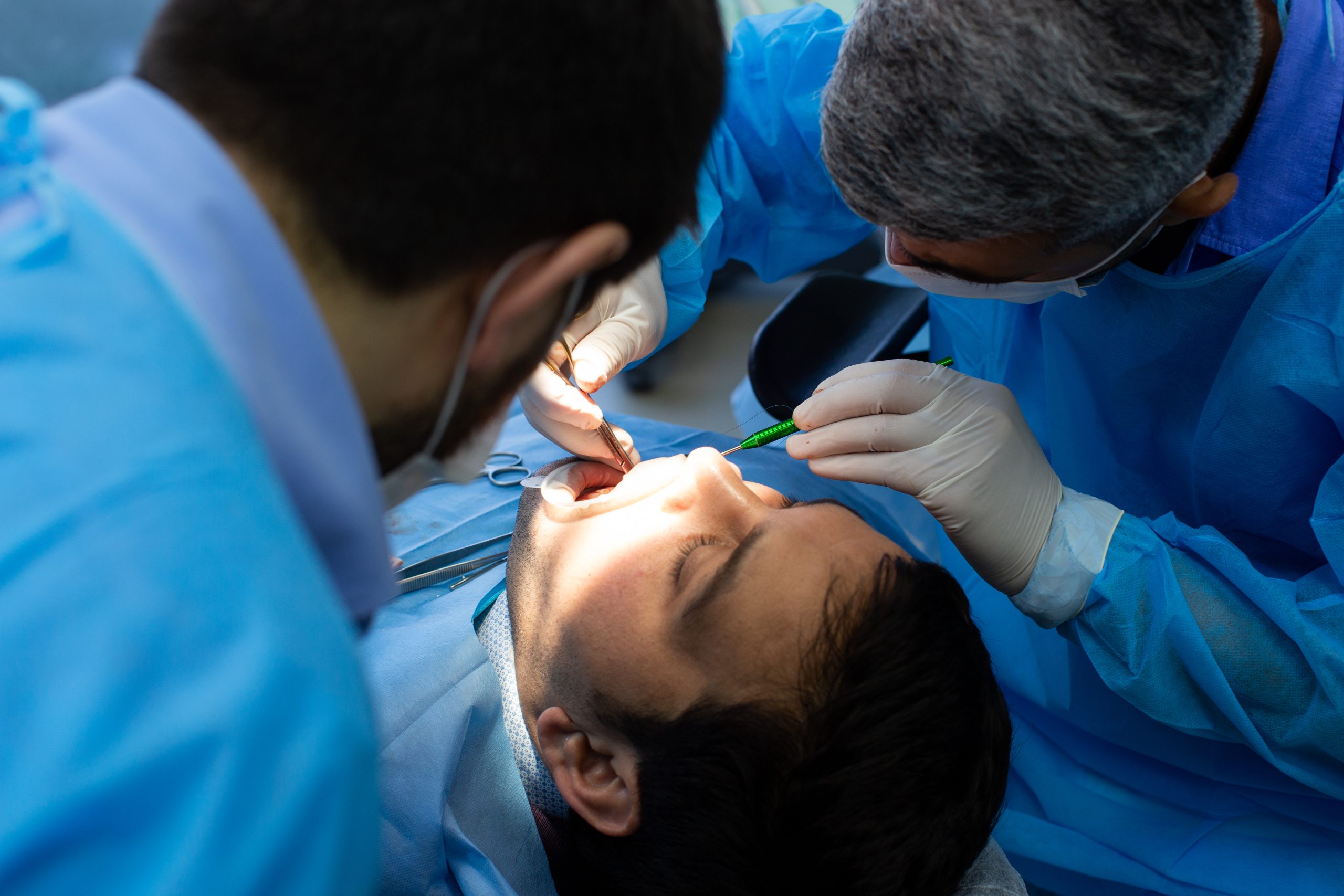
Oral surgery may be needed when a dental problem cannot be treated with a simple filling, cleaning, or other basic care. It can help remove damaged teeth, treat infections, place dental implants, and correct problems with the jaw or mouth. The type of treatment depends on the cause, the problem’s location, and overall oral health. For example, a severely damaged tooth may need to be removed, while a missing tooth may be replaced with an implant. Knowing when oral surgery in Vienna may be recommended can help you recognise when a more detailed dental assessment is needed. Not every dental concern requires surgery. A dental examination helps determine whether surgery is necessary or if another treatment can address the problem.
What Is Oral Surgery?
Oral surgery includes treatments that involve the teeth, gums, jaw, and other parts of the mouth. These treatments may be needed to remove damaged tissue, repair an injury, or improve how the mouth works.
Depending on the problem, treatment may involve local anaesthesia to numb the area. Some procedures may also use sedation to help reduce anxiety. The type of anaesthesia depends on the treatment and individual health needs.
When Is Oral Surgery Necessary?
Oral surgery may be recommended when a dental problem affects comfort, oral health, or normal mouth function. A dentist in Vienna may suggest it after checking the teeth, gums, and jaw.
Common signs that may require further assessment include:
- Severe tooth pain that does not improve.
- Swelling around a tooth or jaw.
- A tooth that is badly broken or damaged.
- Repeated infection around the same tooth.
- Difficulty chewing because of a dental problem.
- A tooth trapped beneath the gums.
These symptoms do not always mean surgery is needed. The cause must be identified before choosing treatment.
What Dental Problems Can Oral Surgery Treat?
Oral surgery can address several conditions that affect the mouth and jaw. The treatment depends on the specific problem.
1. Impacted Wisdom Teeth
Wisdom teeth may not have enough room to grow properly. They can remain trapped beneath the gums or grow at an angle. This may cause pain, swelling, infection, or damage to nearby teeth.
Removal may be recommended if the teeth cause problems or create a clear risk of future harm. However, healthy wisdom teeth that are not causing problems do not always need to be removed.
2. Severely Damaged or Infected Teeth
A tooth with deep decay, a serious crack, or an infection may sometimes need to be removed if it cannot be saved with other treatments.
Before removal, options such as a filling, crown, or root canal may be considered. The goal is to keep the natural tooth whenever possible.
3. Dental Implant Placement
Missing teeth can affect chewing and make it harder to speak comfortably. Dental implants are placed into the jawbone to support replacement teeth.
Implant surgery may be considered when there is enough healthy bone, and the gums are in suitable condition. Some patients may need additional treatment, such as bone grafting, before an implant can be placed.
4. Jaw Problems and Injuries
An injury or certain jaw conditions may require surgical care. Treatment can help repair broken jawbones or address problems that affect jaw movement.
Not every jaw concern needs surgery. The treatment depends on the cause, the severity of the problem, and whether it affects normal activities.
5. Oral Cysts and Other Growths
Cysts and unusual growths can develop in the mouth or jaw. Some may be linked to impacted teeth or other dental conditions.
Surgical removal may be recommended when a growth needs treatment or further examination. A sample may also be sent for testing to understand what it is.
What Happens Before Oral Surgery?
Before treatment, a dental examination helps determine whether surgery is suitable. A dental office near you may also use dental X-rays or other images to check the affected area.
The assessment may include:
- Reviewing medical history and current medicines.
- Checking the teeth, gums, and jaw.
- Looking for signs of infection or swelling.
- Discussing anaesthesia and pain control.
- Explaining the treatment steps and recovery needs.
Share details about allergies, health conditions, and medicines before surgery. This helps the dental team plan care safely.
How Do You Know If You Need Oral Surgery?
A dental examination is the best way to understand whether surgery is needed. If a tooth is damaged, a wisdom tooth causes repeated problems, or an infection does not improve, an assessment can help identify the right next step.
Seeking oral surgery near you does not automatically mean a surgical procedure is required. In some cases, a filling, root canal, or other treatment may be enough. The choice should depend on the condition and the available options.
Take the Right Step Towards Better Oral Health!
Dental problems that affect chewing, cause repeated infections, or damage the jaw may need more than routine treatment. A timely assessment can help identify the cause and explain suitable options. Contact Tebay & Associates to discuss your concerns, understand the recommended care, and plan the next step towards better oral health. Book your appointment today!
FAQs
Is oral surgery always painful?
No. The dentist uses medicine to numb the area and help prevent pain during treatment. You may have some pain or swelling after surgery, depending on the type of treatment.
How long does oral surgery take?
The time varies. A simple tooth removal may take less time than implant placement or jaw surgery. We can discuss the expected duration before treatment.
Can oral surgery save a damaged tooth?
Sometimes, surgery can help treat certain problems around a tooth. However, if the tooth is too damaged to repair, removal may be necessary.
Is oral surgery only for wisdom teeth?
No. It can also treat severe tooth damage, place dental implants, repair jaw injuries, and remove certain cysts or growths.